One Post Can Change Everything
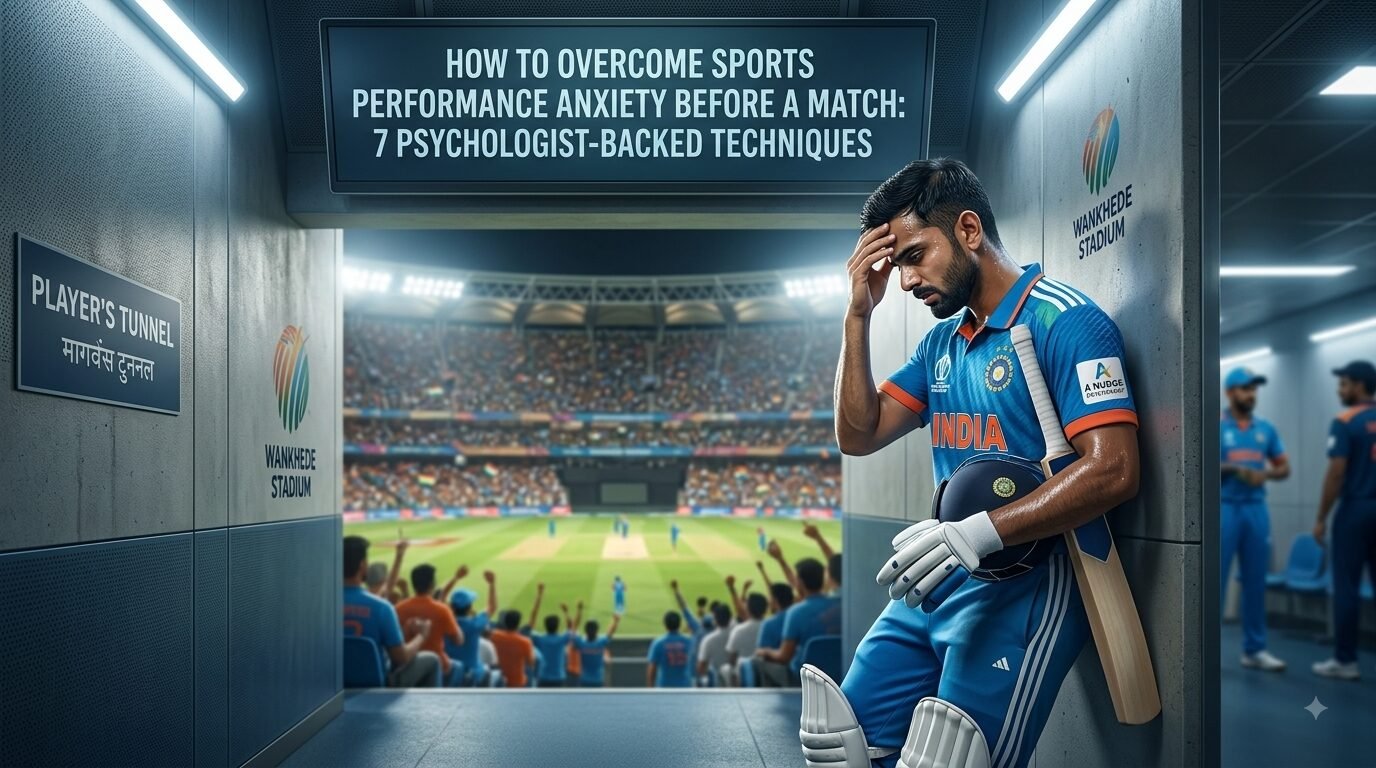
- An athlete finishes a match.
- He checks his phone.
- Hundreds of notifications.
- Some praise him.
- Some criticise him.
One comment says:
“You’re not good enough.” - And suddenly…
his confidence drops.
This is the reality of modern sports. - Social media is now a part of every athlete’s life.
- And it directly affects confidence, focus, and performance.
The Good Side of Social Media
Let’s be fair, social media is not all bad.
For athletes, it can:
- Build a personal brand
- Connect with fans
- Attract sponsors
- Share achievements
Athletes like Virat Kohli and Neeraj Chopra use social media to inspire millions.
Positive comments can:
- Boost motivation
- Increase confidence
- Create a sense of support
But there’s another side to it.
The Hidden Pressure of Social Media
Every post brings expectations.
Every performance is judged publicly.
This leads to:
- Constant comparison
- Fear of criticism
- Pressure to stay perfect
Athletes start thinking:
- “What will people say?”
- “What if I fail again?”
This directly leads to:
- Sports performance anxiety
- Fear of failure in sports
When Confidence Becomes Dependent on Likes
One of the biggest problems is this:
Athletes start linking their confidence to:
- Likes
- Comments
- Followers
Good comments = confidence up
Bad comments = confidence down
This creates an unstable mindset.
True confidence should come from:
- Training
- Preparation
- Self-belief
Not from social media validation.
Real Example: Handling Public Pressure
MS Dhoni is known for staying calm even under extreme public pressure.
Win or lose, his behavior stayed the same.
That’s real mental strength in sports.
On the other hand, many athletes have openly spoken about:
- Online trolling
- Mental stress
- Loss of confidence
This shows how powerful social media can be.
How Social Media Increases Competition Anxiety
Before matches, athletes already feel pressure.
Now add:
- Public expectations
- Online opinions
- Viral criticism
This increases competition anxiety in athletes.
It becomes harder to:
- Focus
- Stay calm
- Perform freely
The Role of Sports Psychology
This is where sports psychology becomes important.
A sports psychologist or mental performance coach helps athletes:
- Separate self-worth from social media
- Focus on performance, not opinions
- Build stable confidence
They teach:
- How to stay calm in competition
- How to handle pressure in sports
- How to build confidence in sports
Practical Ways Athletes Can Protect Their Confidence
Athletes don’t need to quit social media.
They just need to use it smartly.
1. Limit Screen Time Before Matches
Avoid social media before games.
Focus on mental preparation before a game.
2. Don’t Read Every Comment
Not every opinion matters.
3. Focus on Inner Confidence
Confidence should come from:
- Practice
- Discipline
- Progress
4. Work With a Mental Coach
A mental coach or mental toughness coach can help manage pressure and emotions.
5. Follow Positive Content
Consume content that motivates, not content that creates doubt.
The Bigger Picture
Social media is not going away.
In fact, it will only grow.
So the goal is not to avoid it, but to build mental strength and sports skills to handle it.
Final Thought
Social media can either build an athlete, or break them.
The difference lies in mindset.
Athletes who learn to:
- Ignore negativity
- Stay focused
- Trust their training
…will always stay ahead.
Because at the end of the day, confidence should come from within, not from a screen.