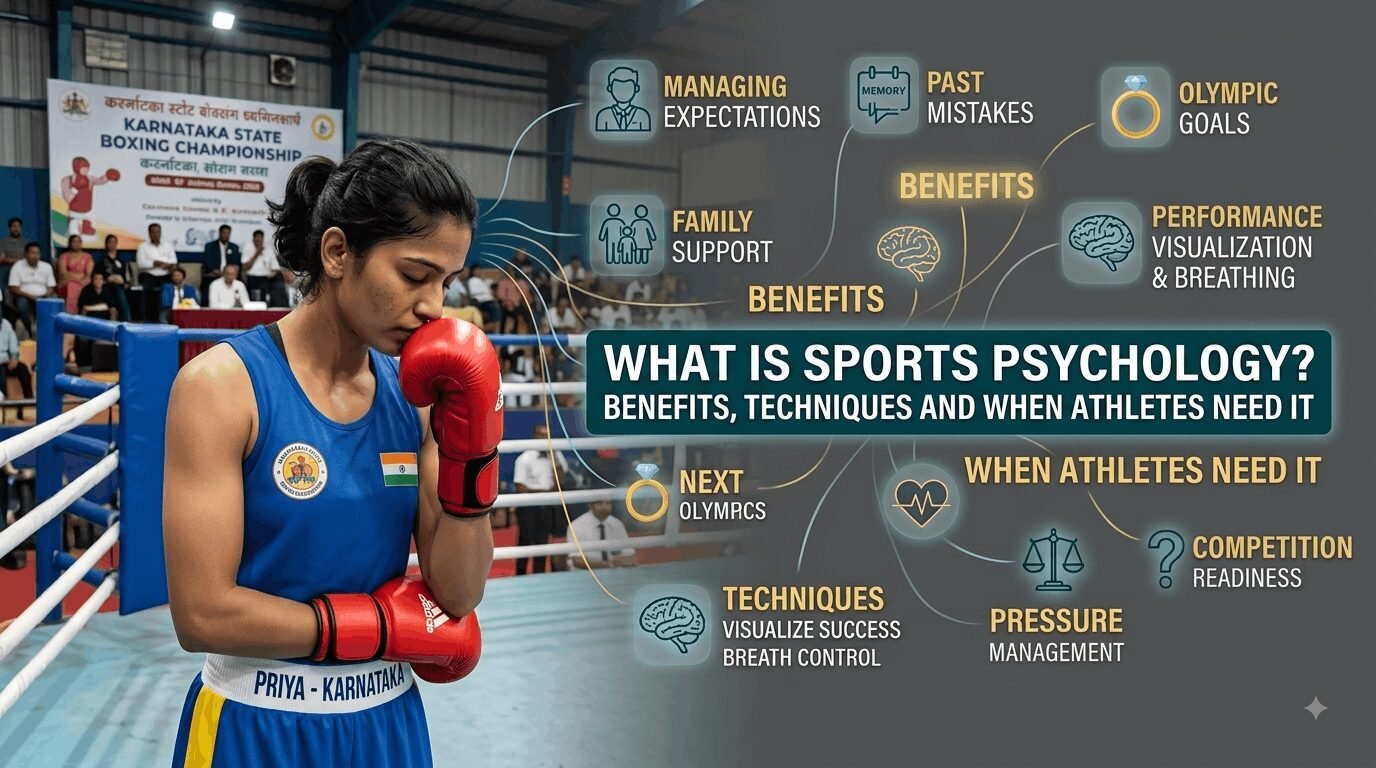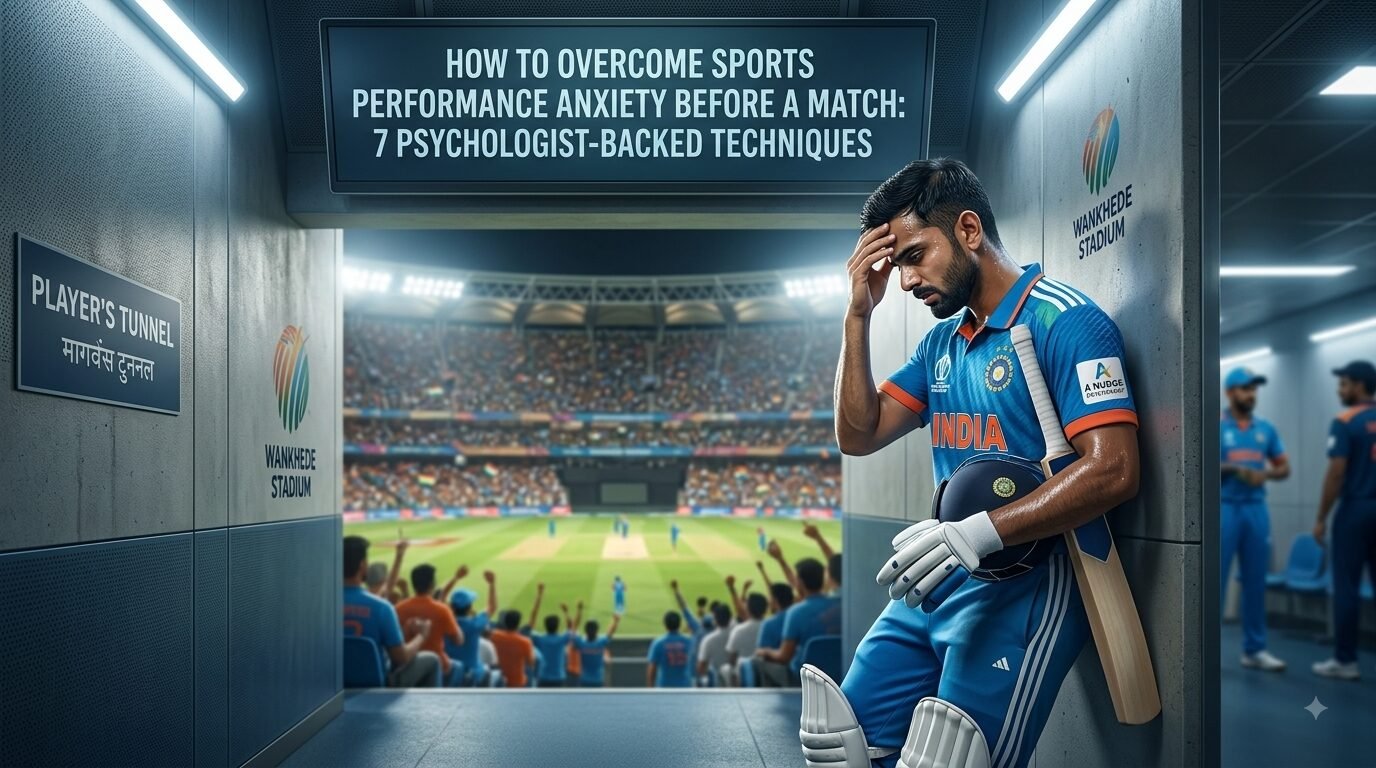
The stadium goes quiet, the adrenaline fades, and the trophy (or the loss) is tucked away. For many, this is where the real struggle begins. Post-competition depression in athletes is a widely felt but seldom discussed phenomenon. Whether it’s the “blues” following a major championship or the crushing weight of depression after a loss of a match, the emotional comedown can be jarring.
Understanding performance psychology is the first step in moving from a state of emptiness back to peak mental health.
1. The Weight of the Game: Burnout and Pressure
For many adolescents, the line between “fun” and “fame” is blurred. We are seeing a massive spike in sports burnout in teenagers because the off-season has effectively disappeared.
Identifying the Triggers:
- Sports pressure from parents: When a child feels their value is tied to the scoreboard, the fear of failure becomes paralyzing.
- Confidence issues in young athletes: A single bad performance can shatter a fragile ego if they haven’t been taught mental toughness.
- Performance anxiety: The “jitters” that don’t go away even after the whistle blows.
How to help a child handle losing: Focus on the process, not the result. Shift the conversation from “Why did you lose?” to “What did you learn today?” This is the core of goals psychology.
2. Benchmark Your Mindset: The Nudgemetrics Test
Before you can fix a problem, you have to measure it. Understanding where you stand on the spectrum of mental strength is crucial for long-term success.
Take the Nudgemetrics Test: Assess Your Mental Toughness Here
Nudgemetrics is an evidence-based assessment tool designed to map your strengths across commitment, control, challenge, and confidence. It’s an essential first step for anyone looking for a mental performance coach to identify exactly where to “level up” their game.
3. The Injury Gap: When the Body Breaks, the Mind Follows
Nothing triggers athlete depression faster than a physical setback. Injury psychology searches often highlight a dark period where an athlete loses their identity.
The Psychology of Injury Recovery
Recovering from an injury isn’t just about physical therapy; it involves intense mental training for athletes. Common hurdles include:
- Athlete depression after injury: Feeling isolated from the team.
- Fear of re-injury in athletes: The “hesitation” that prevents a full-speed return.
- Mental recovery after sports injury: Learning to trust one’s body again.
If you are wondering how to return to sport after injury mentally, the answer lies in incremental goal setting and mind psychology techniques like visualization.
4. Building the “Mental Muscle”
To combat post-competition lows, athletes need a robust toolkit. This is where a mental performance coach or an athletic psychologist becomes invaluable.
Strategies for Mental Strength:
- Consult Psychology Websites: Stay informed on the latest trends in sport mental coach methodologies.
- Find Professional Support: Searching for a mental performance coach near me can connect you with experts who specialize in mental strength sports protocols.
- Anxiety Drills: Use breathing techniques and mindfulness to manage the “highs” so the “lows” aren’t as deep.
5. When to Seek Professional Help
If the “blues” linger for more than two weeks, or if an athlete expresses feelings of worthlessness, it’s time to look for a sports psychologist near me. A professional can provide a tailored roadmap for mental toughness that extends far beyond the court.
Issue | Recommended Support | Goal |
Post-Loss Depression | Performance Psychologist | Reframing failure as feedback. |
Injury Anxiety | Mental Toughness Coach | Overcoming the fear of re-injury. |
Teenage Burnout | Sport Mental Coach | Balancing sport with identity. |
Final Thought: Whether you are a parent looking for how to motivate young athletes or a pro struggling with the “post-game void,” remember that your mental health is just as important as your physical stats. Start by taking the Nudgemetrics assessment and take control of your mental game today.