Cricket is often described as a game of skill, strategy, and endurance. Yet, at every level—from school tournaments to international stadiums—the difference between good and great performances is frequently determined by something less visible: the mind. In a country where cricket is more than just a sport, understanding the psychological side of performance has become increasingly important.
Why Cricket Is as Much Mental as Physical
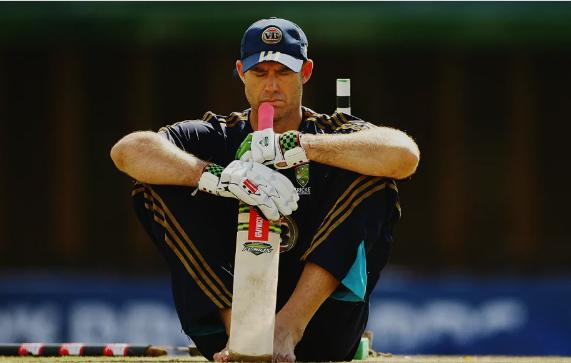
Unlike many sports, cricket demands long periods of concentration interrupted by moments of intense pressure. A batter may spend hours waiting for the right ball, while a bowler must quickly recover from being hit for boundaries. Every player faces situations where confidence, focus, and emotional control become just as important as technique.
The ability to stay present, make clear decisions, and manage pressure often determines how athletes perform in crucial moments.
Handling Expectations in a Cricket-Loving Nation
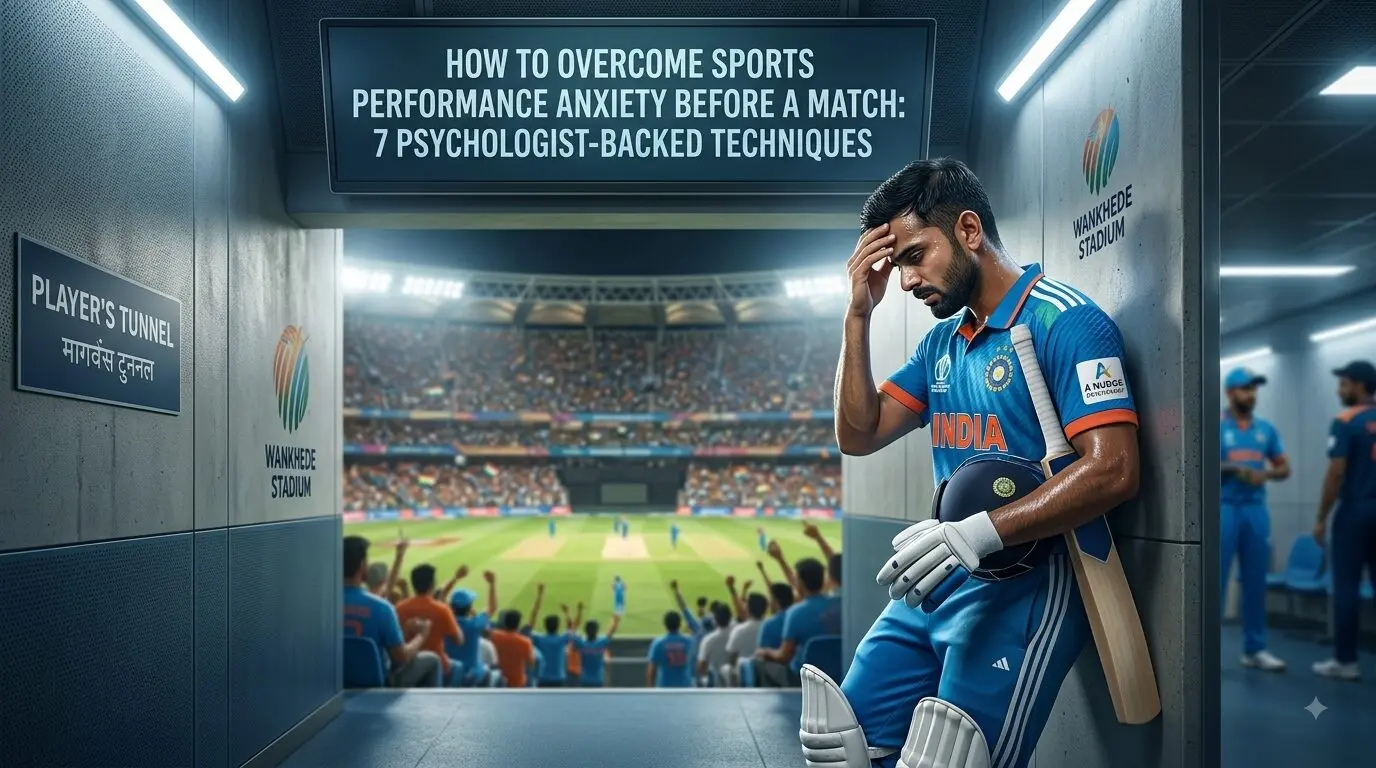
For young cricketers in India, pressure can come from many directions. Family expectations, team selection, social media, academics, and the dream of playing at higher levels can create significant mental strain.
When athletes become overly focused on outcomes—such as making the team, scoring runs, or impressing selectors—they may experience anxiety that affects performance. Sports psychology helps players shift their attention back to controllable factors such as preparation, effort, and execution.
Building Confidence Through Process
Confidence is not something athletes simply possess; it is something they build. Effective mental training encourages players to develop routines that reinforce self-belief regardless of recent results.
Visualization, positive self-talk, goal setting, and performance routines are commonly used by cricketers to stay composed under pressure. These tools help athletes recover from mistakes quickly and maintain focus throughout a match.
The Importance of Mental Resilience
Every cricketer experiences setbacks. A batter may endure a string of low scores, while a bowler may struggle with form. What separates resilient athletes is their ability to learn from challenges rather than define themselves by them.
Mental resilience allows players to remain committed to improvement even when results are not immediate. Over time, this mindset contributes to both performance and personal growth.
The Future of Cricket Performance
As Indian sport continues to evolve, mental conditioning is becoming an essential part of athlete development. Coaches, parents, and players increasingly recognize that performance is influenced not only by physical preparation but also by psychological readiness.
At Nudge Sports, we believe that developing strong mental skills is just as important as mastering technical ones. By helping athletes build confidence, focus, and resilience, sports psychology empowers cricketers to perform at their best—both on and off the field.