Youth sports can teach discipline, resilience, confidence, teamwork, and emotional strength.
But for many young athletes, sports slowly become stressful instead of enjoyable.
Not because of coaches.
Not because of competition.
But because of pressure coming from home.
Most parents want the best for their children. They invest time, money, energy, travel, and emotional support into their athlete’s journey. Their intentions are usually positive.
However, even supportive parents can accidentally create pressure without realizing it.
The difference between support and pressure often comes down to communication, expectations, and emotional environment.
The healthiest sports environments are the ones where athletes feel encouraged, safe, and trusted — regardless of results.
Understand That Your Child Is More Than Their Sport
One of the biggest mistakes in youth sports is allowing athletic performance to define identity.
When athletes begin believing their value depends entirely on winning, rankings, scholarships, or statistics, pressure increases dramatically.
Young athletes need to know:
- They are loved beyond performance
- Their worth is not tied to results
- Mistakes do not change their value
- Sports are part of life — not their entire identity
Parents who consistently reinforce this create emotional security.
And emotional security helps athletes perform better.
Focus on Effort Instead of Outcomes
Many athletes feel pressure because conversations after games revolve entirely around results.
Questions like:
- “Did you win?”
- “How many points did you score?”
- “Why did you miss that shot?”
can unintentionally increase anxiety.
Instead, focus on controllable factors:
- Effort
- Attitude
- Preparation
- Discipline
- Teamwork
- Resilience
Athletes develop healthier confidence when praise is connected to effort rather than perfection.
This also teaches long-term growth mindset habits.
Let Coaches Coach
Parents naturally want to help.
But constantly correcting technique, criticizing performance, or coaching from the sidelines can overwhelm athletes mentally.
Young athletes already process:
- Coaching instructions
- Competition pressure
- Fear of mistakes
- Teammate expectations
Too many voices create confusion.
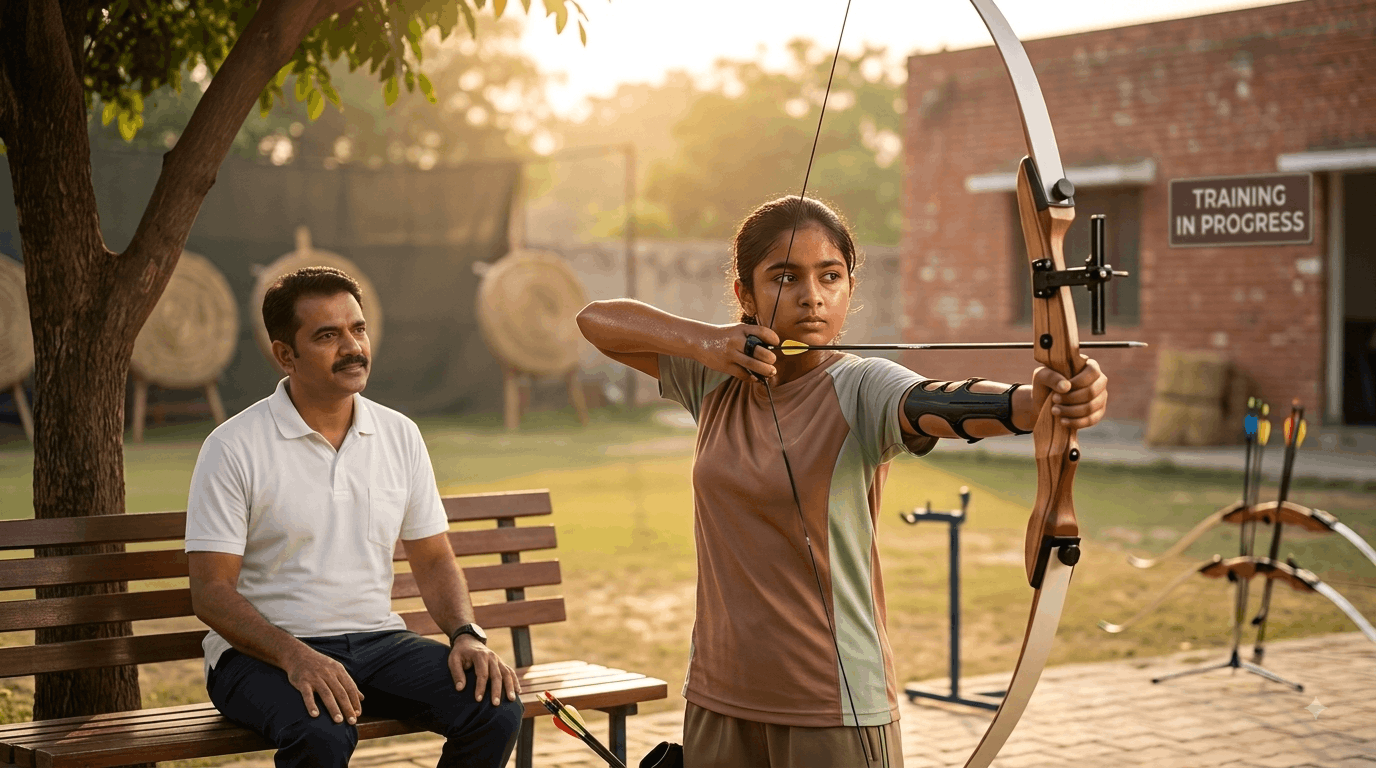
Parents provide the greatest value when they become emotional support systems instead of second coaches.
Sometimes the best post-game conversation is simply:
“I love watching you play.”
Avoid Living Through Your Child’s Sports Journey
Some parents unknowingly attach their own identity to their child’s athletic success.
This creates enormous pressure.
Athletes begin feeling responsible not only for their own performance but also for their parents’ emotions, expectations, and sacrifices.
That emotional burden becomes exhausting.
Healthy sports parenting requires separation:
- Your child’s journey belongs to them
- Their wins are not your achievements
- Their struggles are not your failures
Support should feel empowering — not emotionally heavy.
Teach Athletes How to Handle Failure
Failure is unavoidable in sports.
Every athlete loses.
Every athlete struggles.
Every athlete experiences setbacks.
Parents play a major role in shaping how athletes respond to failure.
When parents react with anger, disappointment, panic, or criticism, athletes may begin fearing mistakes instead of learning from them.
The healthiest response focuses on growth:
- What did you learn?
- What can improve?
- What did you do well?
- What’s the next step?
Athletes who feel safe failing often become more resilient competitors.
Encourage Rest and Balance
Many young athletes today face packed schedules:
- Practices
- Games
- Strength training
- Private coaching
- Travel tournaments
- School responsibilities
Without balance, burnout becomes likely.
Parents should encourage:
- Recovery
- Sleep
- Social life
- Hobbies outside sports
- Mental breaks
Rest is not laziness.
Recovery is part of performance.
Athletes who maintain balance often stay healthier mentally and physically long term.
Positive Sports Parenting & Athlete Confidence

Watch Your Emotional Reactions
Children notice everything.
Parents who become visibly angry, frustrated, anxious, or aggressive during games can unintentionally transfer stress onto athletes.
Athletes may start
competing with fear:
- Fear of disappointing parents
- Fear of mistakes
- Fear of criticism after games
Calm parents create calmer athletes.
Even during difficult performances, emotional stability matters.
Young athletes need to know that one game never changes their relationship with their parents.
Listen More Than You Lecture
Sometimes athletes don’t want advice immediately after competition.
They simply want someone to listen.
Parents often rush into:
- Analysis
- Corrections
- Motivation speeches
- Problem-solving
But emotional processing comes first.
Try asking:
- “How are you feeling?”
- “What did you enjoy today?”
- “Do you want advice or just support?”
Listening builds trust.
And trust strengthens communication throughout an athlete’s journey.
Help Athletes Define Success Properly
Success in youth sports is often misunderstood.
Success is not:
- Constant winning
- Scholarships only
- Being the best player
- Never struggling
True success includes:
- Character development
- Discipline
- Leadership
- Confidence
- Emotional resilience
- Learning teamwork
- Personal growth
Parents who define success broadly reduce unhealthy pressure dramatically.
Final Thoughts
The best sports parents are not the loudest.
Not the most demanding.
Not the most controlling.
They are the most supportive.
Young athletes thrive when they feel:
- Safe
- Encouraged
- Trusted
- Loved regardless of results
Pressure can temporarily motivate performance.
But support builds long-term confidence, mental health, resilience, and enjoyment.
At the end of the day, most athletes will not remember every score or statistic.
But they will remember how their parents made them feel during the journey.
Support Young Athletes: No-Pressure Parenting Guide
– How Parents Help Athletes Without Pressure
– Encouraging, Not Pressuring: Parent Guide
– Parenting Tips: Athletes Thrive, No Pressure
– Sports Parenting: Stress-Free Athlete Support
– Help Your Athlete Without Adding Pressure
– No-Pressure Ways to Support Young Athletes
– Balancing Support and Freedom for Athletes
– Positive Pressure-Free Sports Parenting Guide
– Supporting Athletes: A Gentle Parent Guide
– Parent Playbook: Backing Athletes Calmly
– Nurture, Not Pressure: For Young Athletes
– Build Confidence, Not Pressure in Sports
– Empowering Athletes Without Stress
– The Calm Parent: Supportive Sports Guide