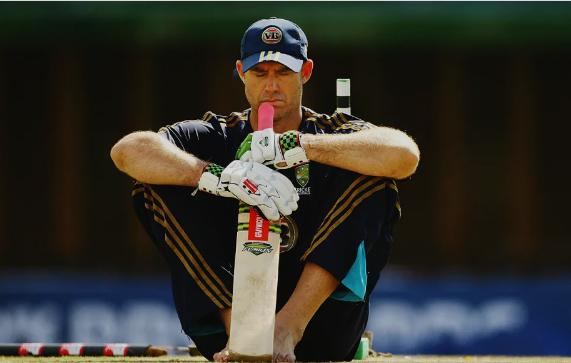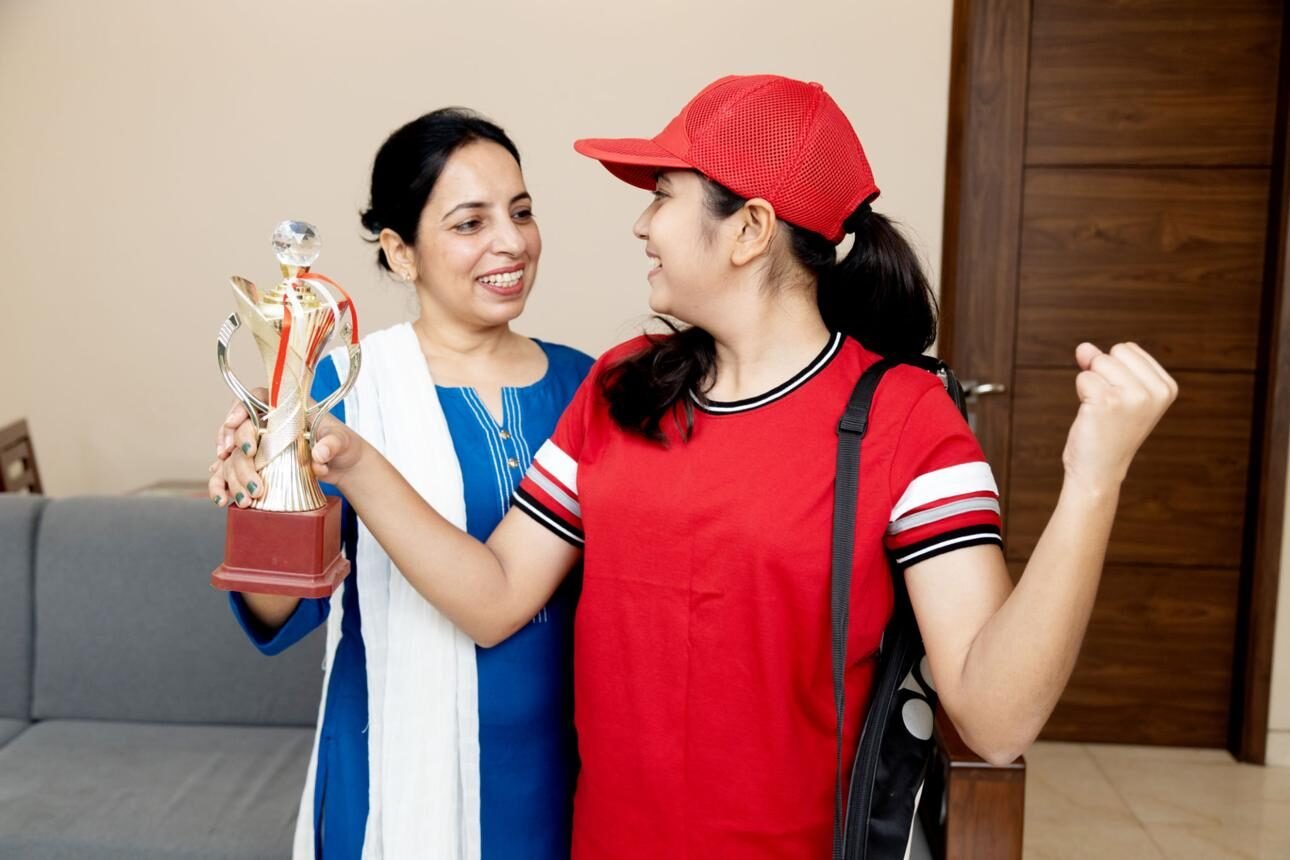
Talent can help athletes start strong.
But mental toughness is what helps them survive pressure, setbacks, failure, criticism, and adversity over the long term.
In youth sports today, physical training receives enormous attention:
- Strength
- Speed
- Agility
- Technique
- Conditioning
But mental training is often ignored.
That’s a mistake.
Because even highly talented athletes struggle when they cannot manage pressure, emotions, fear, frustration, or self-doubt.
Mental toughness is not about becoming emotionless.
It’s about learning how to stay focused, resilient, confident, and composed during difficult moments.
And the good news?
Mental toughness can be trained.
Just like physical skills.
Teach Athletes That Failure Is Part of Growth
Many young athletes fear failure.
Why?
Because they associate mistakes with embarrassment, disappointment, criticism, or losing confidence.
But every elite athlete has failed repeatedly.
Failure is not the opposite of success in sports.
It’s part of the process.
Young athletes need to understand:
- Losing is normal
- Mistakes help development
- Struggles build resilience
- Progress takes time
Athletes who stop fearing failure become more aggressive, confident, and mentally strong competitors.
Focus on Effort Over Results
When athletes become obsessed with outcomes:
- Winning
- Rankings
- Statistics
- Recognition
pressure increases dramatically.
Mental toughness improves when athletes focus on controllable factors instead:
- Effort
- Preparation
- Attitude
- Discipline
- Consistency
This creates healthier confidence because athletes learn to value process over perfection.
And process-based confidence lasts longer.
Build Confidence Through Preparation
Confidence is not magic.
It comes from evidence.
Young athletes feel mentally stronger when they know they prepared properly.
Preparation includes:
- Consistent practice
- Recovery
- Sleep
- Nutrition
- Skill repetition
- Mental rehearsal
Prepared athletes trust themselves more under pressure.
Unprepared athletes rely on hope.
Mental toughness grows when preparation becomes a habit.
Teach Emotional Control
Sports create intense emotions:
- Frustration
- Anxiety
- Fear
- Anger
- Excitement
- Pressure
Mentally tough athletes are not emotionless.
They simply learn how to manage emotions instead of being controlled by them.
Young athletes should practice:
- Deep breathing
- Staying present
- Positive self-talk
- Reset routines after mistakes
- Body language awareness
Emotional control helps athletes recover faster during difficult moments in competition.
Encourage Positive Self-Talk
Every athlete has an internal voice.
That voice can either strengthen confidence or destroy it.
Negative self-talk sounds like:
- “I always mess up.”
- “I’m not good enough.”
- “Everyone is better than me.”
Over time, repeated thoughts shape identity.
Mentally strong athletes learn to replace destructive thoughts with constructive ones:
- “Stay focused.”
- “One play at a time.”
- “Trust your training.”
- “Keep competing.”
The goal is not fake positivity.
The goal is productive thinking under pressure.
Mental Toughness Is Built Through Discomfort
Growth rarely happens inside comfort zones.
Young athletes build resilience when they learn how to:
- Handle pressure
- Respond to setbacks
- Compete through adversity
- Stay disciplined when motivation disappears
Parents and coaches sometimes protect athletes too much from discomfort.
But small challenges help athletes develop coping skills and emotional strength.
Struggle is often where mental toughness begins.
Teach Athletes to Control What They Can
One major source of stress in sports is focusing on uncontrollable things:
- Referees
- Opponents
- Crowd reactions
- Weather
- Rankings
- Social media opinions
Mentally tough athletes focus their energy on controllable factors:
- Effort
- Focus
- Preparation
- Attitude
- Communication
- Response to adversity
This mindset reduces anxiety and increases emotional stability during competition.
Mental Toughness & Athlete Resilience

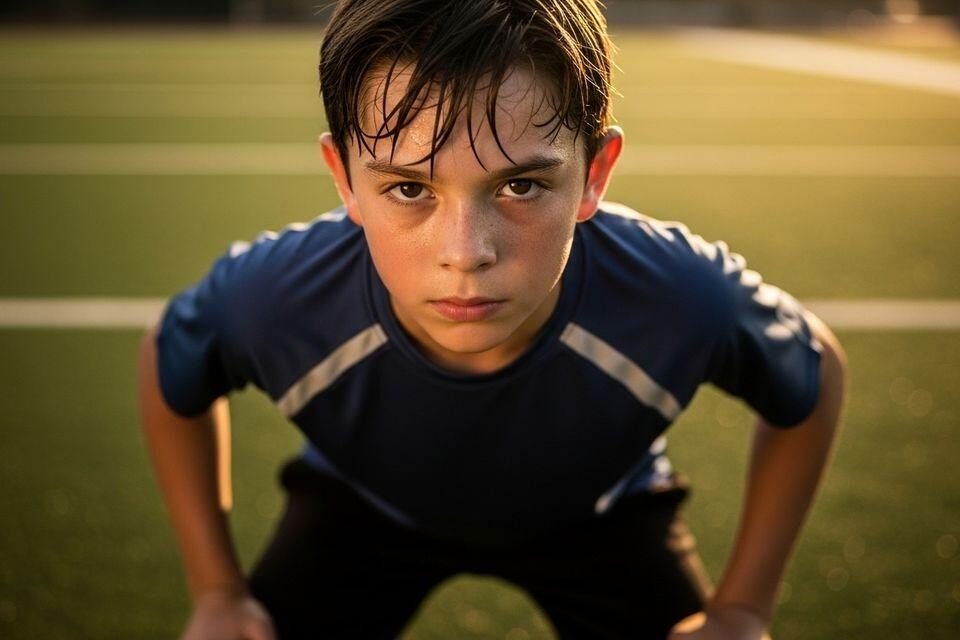

Help Athletes Develop Short Memory
Every athlete makes mistakes.
The mentally weak replay mistakes repeatedly.
The mentally strong learn quickly and move forward.
Young athletes should practice asking:
- What happened?
- What can improve?
- What’s next?
Dwelling on errors destroys confidence and focus.
Short memory improves emotional recovery during games and competitions.
Consistency Builds Mental Strength
Mental toughness is not built in one motivational moment.
It develops through repeated discipline.
Athletes build confidence when they continue showing up:
- During losing streaks
- During slow progress
- During difficult training
- During setbacks
- During moments of self-doubt
Consistency teaches athletes they can trust themselves regardless of emotions.
That trust becomes powerful during pressure situations.
Supportive Environments Matter
Parents and coaches strongly influence athlete mindset.
Constant criticism, unrealistic expectations, or pressure can damage confidence and emotional resilience.
Mentally tough athletes usually grow in environments where:
- Effort is respected
- Mistakes are treated as learning opportunities
- Communication is healthy
- Support exists beyond performance
Athletes perform best when they feel psychologically safe while still being challenged.
Visualization Improves Confidence
Many elite athletes mentally rehearse performance before competition.
Visualization helps athletes:
- Reduce anxiety
- Improve focus
- Build familiarity with pressure
- Strengthen confidence
Young athletes can visualize:
- Executing skills successfully
- Staying calm under pressure
- Recovering after mistakes
- Competing confidently
The brain responds strongly to repeated mental rehearsal.
Over time, difficult situations feel more manageable.
Final Thoughts
Mental toughness is not something athletes are born with.
It’s developed.
Through adversity.
Through discipline.
Through resilience.
Through learning how to respond under pressure.
Young athletes do not need to become fearless.
They simply need to learn how to continue competing even when fear, doubt, or pressure appears.
That’s what real mental toughness looks like.
And those lessons extend far beyond sports.