Cricket is a sport of numbers, but it is ultimately decided between the ears.
You could have the perfect cover drive or bowl at 90 mph, but if your mind falters under pressure, the game is lost. In modern cricket, physical talent is just the entry ticket. What separates the good from the great is sports psychology.
Whether you are a batsman facing a fierce spell, a bowler defending ten runs in the final over, or an aspiring cricketer looking for a mental performance coach near me, mastering the mental game is non-negotiable.
Let’s dive into how mind psychology is transforming cricket and how you can apply these elite strategies to your own game.
Why Cricket Demands High Mental Strength
Cricket is uniquely brutal on the mind. Unlike continuous sports like soccer or basketball, cricket is packed with stops and starts. A batsman might sit in the dugout for hours waiting to bat, or a fielder might stand in the sun for a day waiting for one crucial catch.
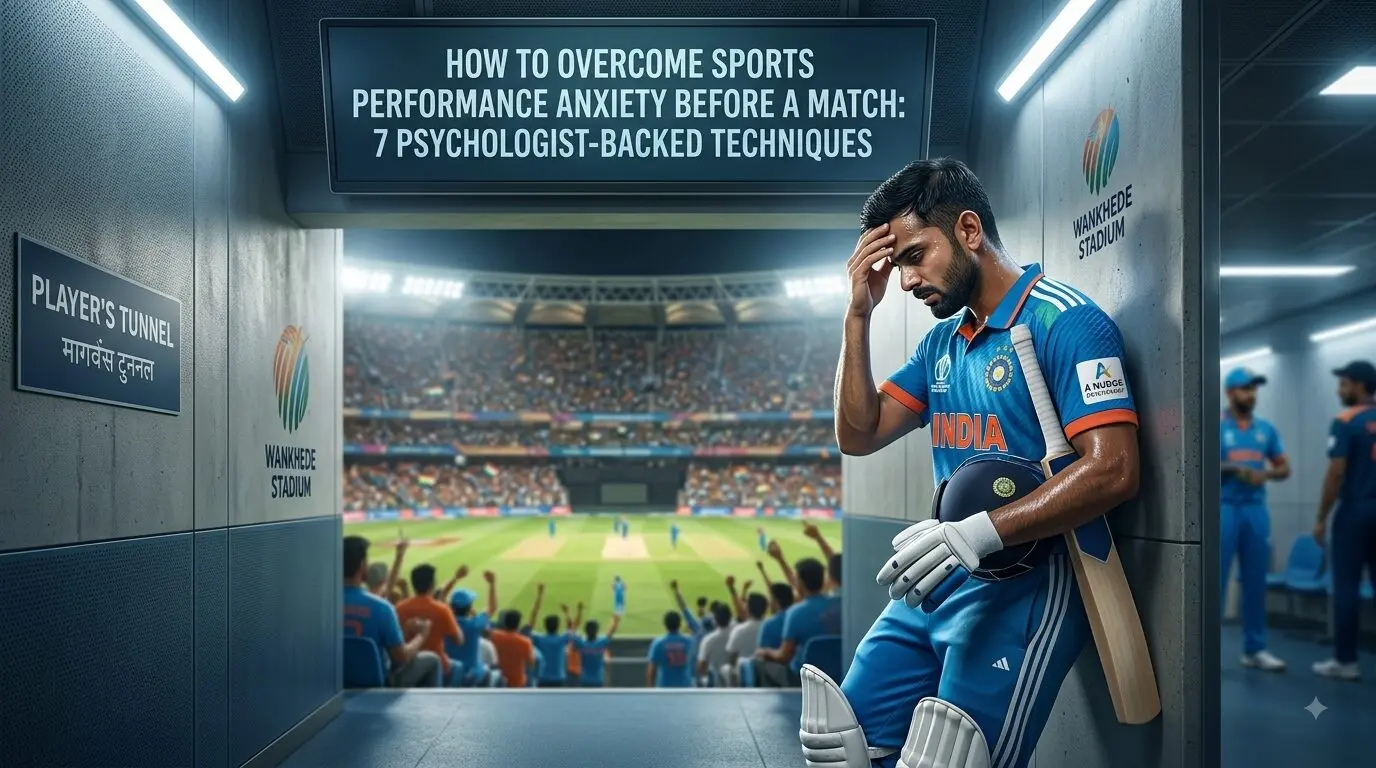
This downtime gives the brain too much time to think, often leading to sports performance anxiety.
According to top performance psychology experts, cricket requires two types of focus:
- Intense Concentration: Switching “on” right before the bowler releases the ball.
- Mental Relaxation: Switching “off” between balls to conserve mental energy.
Without proper sports mental conditioning, a player’s mind burns out long before the match ends.
Key Pillars of Mental Training for Athletes
If you want to build unbreakable mental strength, you need a structured approach. Elite cricket academies now hire a dedicated athletic psychologist or sport mental coach to build personalized programs.
Here are the core pillars of effective mental training for athletes:
1. The Power of Goals Psychology
You can’t hit a target you cannot see. In goals psychology, experts teach cricketers to split their ambitions into two categories:
- Outcome Goals: Winning the match or scoring a century (highly unpredictable).
- Process Goals: Focusing on your breathing, watching the ball release from the hand, or maintaining a stable base (100% in your control).
Pro Tip from a Mental Performance Coach: Shift your focus entirely to process goals. When you control the process, the outcomes take care of themselves.
2. Visualization Techniques for Athletes
Before MS Dhoni finished a game with a six, or Virat Kohli chased down a massive total, they had already played that exact scenario a thousand times in their minds.
Visualization techniques for athletes involve using all five senses to imagine a successful performance.
- Picture the trajectory of the ball.
- Hear the sound of the ball hitting the middle of the bat.
- Feel the adrenaline and the grip on your handle.
By practicing mental rehearsal, your brain registers the situation as familiar when it happens in real life, drastically reducing anxiety.
3. Mindfulness for Athletes
Staying in the present moment is the ultimate superpower in cricket. If a batsman is thinking about the edge they dropped last over, or worrying about getting dropped for the next match, they aren’t watching the ball.
Implementing mindfulness for athletes—such as a simple 5-second breathing anchor between deliveries—keeps the mind firmly rooted in the “now.”
How to Improve Concentration in Sports: Practical
Exercises
Knowing you need to focus is one thing; knowing how to do it is another. If you are looking for focus exercises for athletes, try these two proven cricket drills:
The “Sightscreen” Reset
Between balls, intentionally look away from the pitch. Pick a specific, neutral object—like the logo on your bat or a blade of grass. Take a deep breath, exhale slowly, and let go of the previous ball. Turn back to the bowler only when your mind is clear.
The Grid Exercise
Many psychology websites offer printable focus grids (a square filled with scrambled numbers from 00 to 99). Spending just 5 minutes finding these numbers in numerical order before a match stimulates the brain’s visual tracking and sharpens concentration.
Overcoming Sports Performance Anxiety
Every cricketer, from grassroots to the international stage, experiences fear. The fear of failure, the fear of getting a golden duck, or the fear of dropping a catch.
An experienced mental toughness coach will tell you that anxiety isn’t the enemy—your reaction to it is.
When Anxiety Hits… | The Wrong Reaction | The Right Reaction (Mental Strength Sports Approach) |
Physical Symptoms | Tensing shoulders, shallow breathing, rushing your guard. | Deep belly breathing, dropping the shoulders, slowing down your routine. |
Internal Dialogue | “What if I get out? What will people say?” | “Watch the ball. React to the line and length.” |
Do You Need a Sports Psychologist?
You wouldn’t hesitate to see a physio for a hamstring tear, so why hesitate to see a professional for a mental block?
If you constantly perform beautifully in the nets but freeze during actual matches, searching for a qualified sports psychologist near me might be the best career move you make. A certified mental coach provides tailored strategies to break through performance plateaus and rebuild shattered confidence.
Summary Checklist for a Stronger Cricket Mindset:
- [ ] Shift focus from the scoreboard to the next ball (Process over Outcome).
- [ ] Spend 10 minutes a day visualizing successful match scenarios.
- [ ] Develop a strict pre-ball routine to lock in focus.
- [ ] Treat mental errors as data to learn from, not failures to obsess over.
Cricket is a beautiful, cruel, and deeply psychological game. By investing time into your sports mental conditioning, you stop playing against your own mind and finally start playing against the opposition.