Introduction
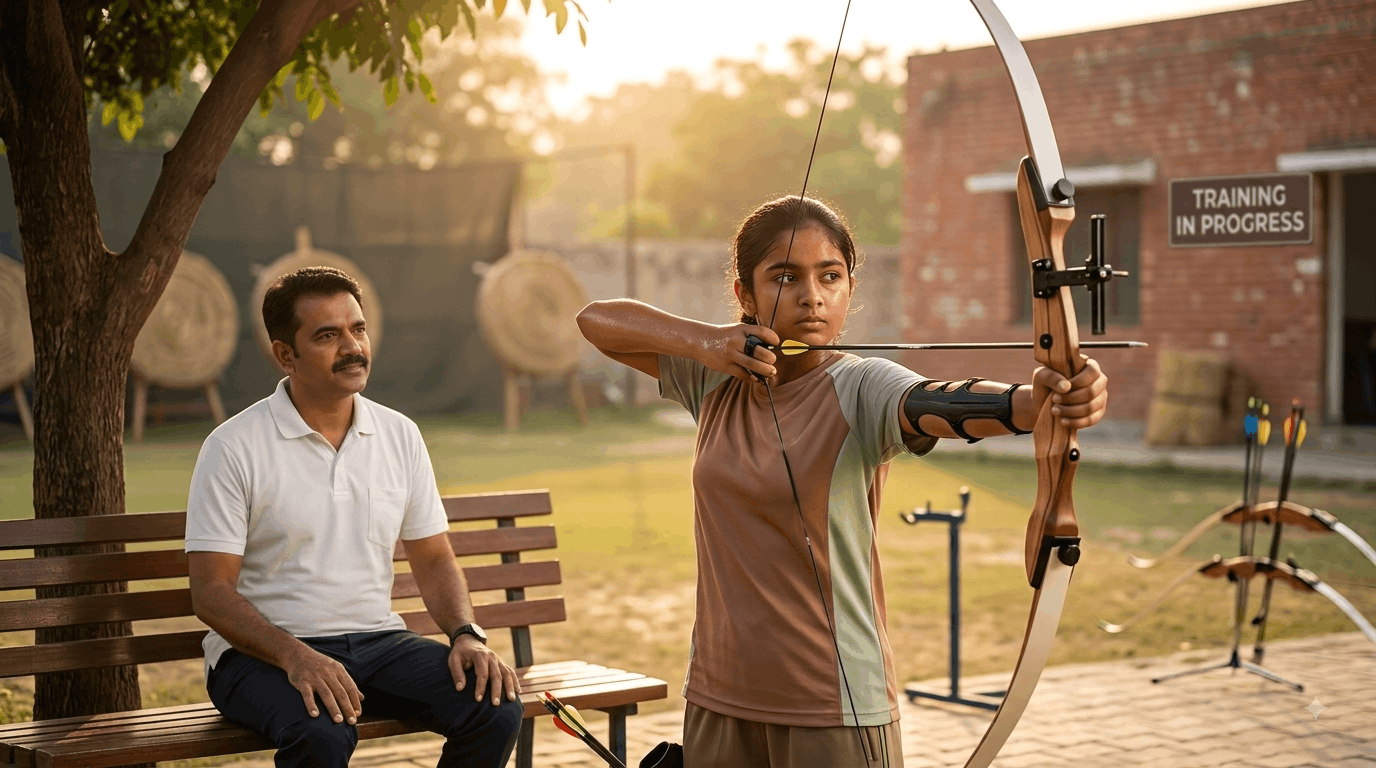
Every parent wants to see their child succeed. In high-performance sports environments—whether on the tennis courts of KSLTA in Bengaluru, cricket academies in Mumbai, or junior golf circuits across the country—parents invest immense time, energy, and financial resources into their children’s athletic development.
However, there is a fine line between supportive involvement and unintentional performance pressure.
When a young athlete feels that their parents’ love, pride, or approval hinges on whether they win a match or hit a tournament target, sports shift from being a source of joy to a source of intense anxiety.
Learning how to balance encouragement with space allows parents to become their child’s greatest asset in building long-term athletic resilience.
The Hidden Signals of Parental Pressure
Most parents do not intend to pressure their children. In fact, excessive pressure often comes from a place of deep care and a desire to see the child reach their full potential.
However, young athletes interpret adult behavior through an emotional lens. Common triggers of subconscious pressure include:
- The “Car Ride Home” Debrief: Immediately reviewing errors, missed putts, or tactical mistakes in the car right after a loss.
- Focusing on Scores Over Effort: Greeting a child after a match with “Did you win?” instead of “Did you have fun?” or “Did you give your best effort?”
- Body Language on the Sidelines: Pacing nervously, sighing, throwing hands up after an unforced error, or coaching over the fence during play.
- Comparing to Peers: Benchmark statements like “Look at how hard your teammate practices” or “Your rival is already playing national tournaments.”
Over time, these signals lead to fear of failure, where young athletes begin playing not to win, but to avoid disappointing their parents.
Practical Strategies for Healthy Sports Parenting
Transitioning from a high-pressure dynamic to a high-support environment requires small, deliberate shifts in how parents communicate before, during, and after competitions.
1. Separate Your Identity from Your Child’s Performance
A child’s performance on the court or green is not a reflection of your parenting. When parents view match outcomes as a personal report card, their anxiety naturally transfers to the athlete. Recognize that sport belongs to the child—it is their journey, their victories, and their learning experiences to own.
2. Master the Post-Match Conversation
The 30 minutes following a competitive match are emotionally delicate. Young athletes are often tired, frustrated, or processing disappointment.
Instead of jumping into tactical analysis (which is the coach’s role), offer emotional regulation:
- What to say: “I love watching you play,” or “I’m proud of how hard you fought out there today.”
- What to avoid: “Why did you change your strategy in the second set?” or “You need to work on your backhand this week.”
If your child wants to talk about the match, let them lead the conversation. If they need quiet, give them space to decompress.
3. Praise Process and Attitude, Not Just Outcomes
Winning is out of an athlete’s complete control—opponent strength, referee calls, and bad breaks all play a role. When praise is tied strictly to winning, athletes feel helpless when outcomes don’t go their way.
Praise controllable factors:
- Effort & Fight: “You never gave up even when you were down a break.”
- Attitude & Composure: “I noticed how quickly you reset after that bad call.”
- Sportsmanship: “You showed great respect to your opponent and the umpire today.”
Supportive Parenting vs. High-Pressure Parenting
To understand how small communication shifts impact a child’s mindset, compare these two common approaches:
Scenario | High-Pressure Approach | Supportive & Empowering Approach |
Before a Match | “This is a key tournament for your ranking, don’t mess up.” | “Trust your training, play hard, and have fun out there.” |
During Competition | Coaching from the stands, visible frustration after errors. | Calm baseline presence, encouraging applause for effort. |
After a Hard Loss | Detailed technical breakdown of what went wrong on the drive home. | Offering a snack/water, listening if they want to talk, or giving space. |
Evaluating Progress | Comparing results and rankings against academy peers. | Focusing on personal growth, effort, and skill development over time. |
The Role of Professional Guidance
Navigating youth sports can be challenging for parents, especially when balancing elite training expectations with a child’s emotional well-being.
At Nudge Sports, our team of sport psychologists works not only with young athletes in hubs like Bengaluru, Mumbai, Pune, and Hyderabad, but also directly with parents and coaches. Through structured workshops and consultations, we help families establish healthy communication boundaries, align expectations, and create an environment where young athletes can thrive both as competitors and as young individuals.
Frequently Asked Questions
How do I know if my child is experiencing sports burnout?
Key signs of youth sports burnout include sudden loss of enthusiasm for practice, frequent complaints of minor illnesses or injuries before events, drop in academic performance, heightened irritability around competition, and expressed desires to quit a sport they previously loved.
Should parents coach their own children in sports?
Parent-coach dynamics can work, but they require strict boundaries. If you coach your child, clearly separate your role as “Coach” on the field from your role as “Parent” at home. At home, avoid discussing tactics unless the child explicitly brings it up.
What is the best thing a parent can say to a child before a game?
The most empowering phrase a parent can say is simply: “I love watching you play.” It removes the burden of expectations and reminds the athlete that your support is unconditional, regardless of the scorecard.
Empowering the Athlete Within
Young athletes perform best when they feel secure, supported, and free to make mistakes without fear of judgment.
By stepping back as a technical critic and stepping forward as an anchor of unconditional encouragement, parents provide the ultimate safety net. This foundation enables young golfers, tennis players, and multi-sport athletes to build lifelong confidence, emotional composure, and true love for their sport.