Confidence is often viewed as a natural trait—something athletes either have or don’t have. In reality, confidence is a skill that develops through experience, support, and mindset. Unfortunately, many young athletes struggle with confidence issues long before they reach their full potential.
Understanding why confidence drops is the first step toward rebuilding it.
When Sports Stop Feeling Fun
One of the most common causes of sports burnout in teenagers is the pressure to constantly perform. When every training session, match, or tournament feels like a test, young athletes can begin associating sport with stress rather than enjoyment.
Over time, this pressure can lead to frustration, self-doubt, and a decline in motivation. Athletes who once loved competing may start questioning their abilities after a few poor performances.
The Impact of External Pressure
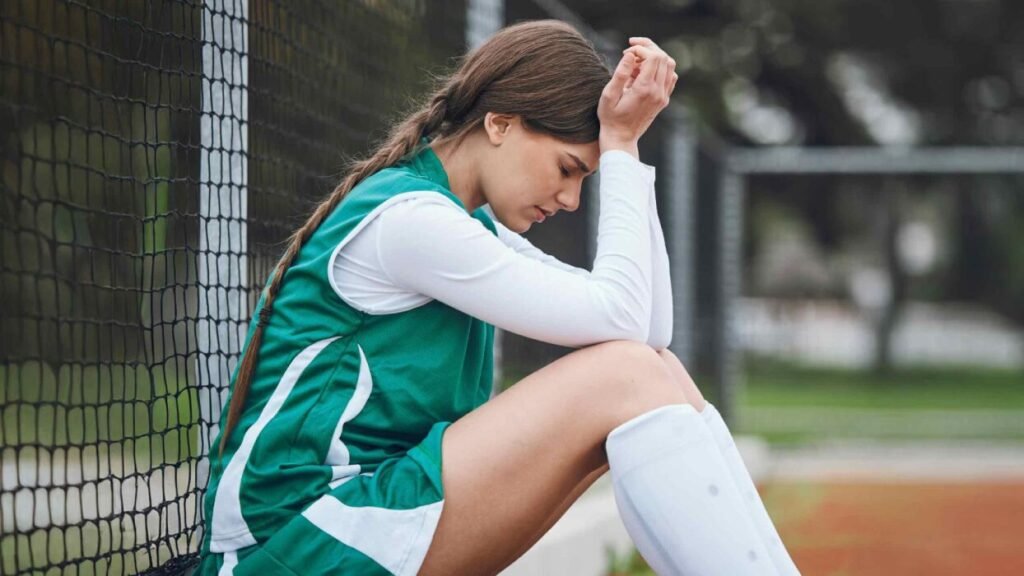
Many young athletes face sports pressure from parents, coaches, teammates, and even social media. While encouragement can be beneficial, excessive expectations can make athletes feel that their value depends entirely on results.
When young players become overly focused on winning, mistakes start to feel catastrophic. This mindset can damage self-belief and create a fear of taking risks during competition.
Instead of asking, “Did you win?” a more helpful question is, “What did you learn today?”
Why Losing Can Damage Confidence
Learning how to help a child handle losing is one of the most important lessons in youth sport.
Many athletes interpret losses as evidence that they are not talented enough. However, sports psychologists emphasize that setbacks are a normal part of development. Every athlete—regardless of skill level—experiences failure, mistakes, and disappointing performances.
The difference is how those experiences are processed afterward.
Athletes who view losses as learning opportunities tend to recover faster and maintain higher levels of confidence.
Building Confidence Through Small Wins
Confidence grows from evidence, not empty praise.
Parents and coaches looking for ways to motivate young athletes should focus on progress rather than perfection. Celebrate effort, consistency, resilience, and improvement—not just outcomes.
Small achievements such as mastering a new skill, showing good sportsmanship, or bouncing back after a mistake can become powerful confidence-building moments.
Helping Young Athletes Thrive

Young athletes perform best when they feel supported rather than judged. By reducing unnecessary pressure, encouraging a growth mindset, and teaching healthy responses to setbacks, adults can help athletes develop lasting confidence.
The goal isn’t to create athletes who never fail. It’s to help them become athletes who believe in themselves, even when they do.